


-

Add: HeBei ShengShi HongBang Cellulose Technology CO.,LTD.
-

Email
13180486930@163.com -

CONTACT US
+86 13180486930



Understanding Wood Cellulose Its Nature and Importance Cellulose is a complex carbohydrate that is a primary component of the cell walls of plants, including trees and other woody plants. It is an essential structural polysaccharide that provides plants with strength and rigidity. In the context of wood, cellulose accounts for a significant portion of its composition, playing a critical role in its mechanical properties and durability. What is Cellulose? Cellulose is a polymer made up of long chains of glucose units linked together by beta-1,4-glycosidic bonds. This linear arrangement allows cellulose molecules to pack tightly together, forming strong fibers that give wood its strength. The structure of cellulose differs from that of starch, another carbohydrate made up of glucose units. While starch is branched and serves as an energy reserve for plants, cellulose maintains a straight chain configuration, which is crucial in providing structural stability. In wood, cellulose is present alongside other important components, such as hemicellulose and lignin. Hemicellulose is another type of polysaccharide that helps to bind cellulose fibers together, while lignin provides additional rigidity and resistance to decay. The combination of cellulose, hemicellulose, and lignin contributes to the overall strength, flexibility, and longevity of wood. The Role of Cellulose in Wood Cellulose serves several vital functions in wood. Its primary role is to provide structural integrity. The strong and durable cellulose fibers contribute to the mechanical strength that enables trees to grow tall and withstand external forces such as wind and snow. This property is particularly important for trees, as their height and stability are crucial for sun exposure and nutrient acquisition. Moreover, cellulose also plays a role in water retention and transportation within the plant. The porous structure created by cellulose fibers allows for the movement of water and nutrients from the roots to the leaves. This hydraulic function is essential for the growth and health of the tree. Applications of Wood Cellulose ¿qué es la celulosa de madera? The significance of cellulose extends beyond its biological functions; it is also a valuable resource for various industries. Wood cellulose is harvested and processed to produce a wide range of products, including paper, textiles, and biodegradable plastics. Paper Production The paper industry relies heavily on cellulose extracted from wood pulp. The cellulose fibers are processed, bleached, and formed into sheets, which are then dried and rolled into paper products. The strength and flexibility of cellulose make it ideal for creating high-quality paper. Textiles Cellulose fibers can be transformed into textiles such as rayon and lyocell. These fabric materials are derived from wood pulp and are prized for their softness, breathability, and biodegradability. As sustainability becomes increasingly important in the fashion industry, cellulose-based textiles provide an eco-friendly alternative to synthetic fibers. Biodegradable Plastics With the rise of environmental concerns regarding plastic pollution, wood cellulose has emerged as a potential material for producing biodegradable plastics. Utilizing cellulose as a raw material for bioplastics allows for the creation of renewable and compostable alternatives to conventional petroleum-based plastics. Environmental Significance From an environmental perspective, cellulose plays a vital role in carbon sequestration. Trees absorb carbon dioxide from the atmosphere during photosynthesis, converting it into cellulose and other organic compounds. This process not only contributes to the growth of trees but also helps to mitigate climate change by reducing greenhouse gas levels in the atmosphere. Sustainable forest management practices that prioritize the retention of cellulose-rich trees contribute to preserving biodiversity and promoting healthy ecosystems. By ensuring that forests remain intact and flourishing, we can continue to benefit from the myriad resources and ecological services they provide. Conclusion Cellulose in wood is a remarkable natural polymer that holds tremendous significance for both the environment and various industries. Its structural properties contribute to the strength and durability of trees, while its versatility makes it a valuable resource for producing a wide array of products. As we seek sustainable solutions for the future, understanding the role of wood cellulose and utilizing it responsibly will be essential for balancing ecological health with industrial needs.
- 40000tons

Production
- 20+years

Experience
- 5000+㎡

Acreage

-

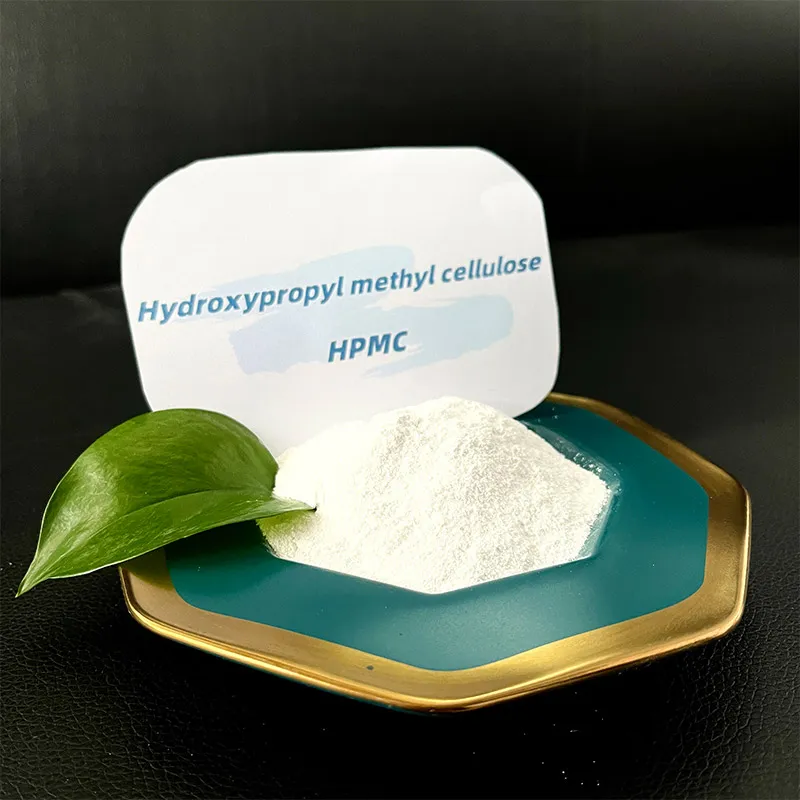
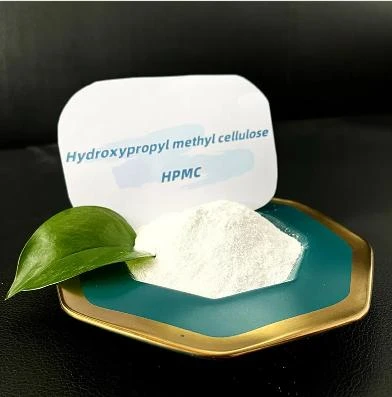
For companies in the pharmaceutical, construction, and food industries, a dependable source of Hydroxypropyl Methylcellulose (HPMC) is crucial. HPMC, a versatile polymer, serves as a key ingredient in many industrial applications. Decoding the journey of becoming an adept HPMC buyer opens numerous opportunities, yet it requires profound understanding and vigilance. The landscape of HPMC suppliers can be complex, with variations in quality and production standards. Establishing relationships with reputable suppliers should be a priority for any company. Firstly, it's essential to evaluate the supplier's consistency in delivering high-grade HPMC. A qualified supplier not only provides certifications but also abides by the regulations of international standards such as ISO. This indicates their commitment to maintaining quality, thereby building trust. Discerning HPMC buyers often start with thorough research. Resources such as industry journals and digital platforms can offer insights into different grades and types of HPMC available. It is beneficial to compare technical specifications across suppliers to understand the best fit for your application's needs. Additionally, reaching out to industry professionals for endorsements can enhance supplier credibility, bolstering confidence in your selection. In terms of expertise, having a seasoned purchasing team is pivotal. A team well-versed in HPMC's properties and applications can identify the right type of product required for specific processes—whether it’s for its thickening, emulsifying, or binding properties. Regular training workshops and exposure to new industry developments are instrumental in maintaining cutting-edge knowledge and expertise. Experience in handling HPMC procurement involves a strategic balance between demand forecasting and supply chain management. Successful buyers invest in robust supply chain systems that allow precise demand anticipation, ensuring that production isn’t stalled by unexpected shortages. These systems can also facilitate smooth communication channels between suppliers and buyers, essential for navigating market fluctuations. Another aspect critical to being an authoritative HPMC buyer is sustainability. Engaging with suppliers that prioritize environmentally friendly production processes not only helps in meeting corporate social responsibility goals but also resonates with today’s environmentally-conscious consumers. Opt for suppliers who demonstrate transparency in their supply chains, thus allowing for traceability, which is a growing demand in global markets. hpmc buyer The decision-making process extends beyond just the product . Negotiate contracts with clear terms regarding delivery schedules, return policies, and contingencies for delays or defects. An authoritative buyer will ensure these contracts also include clauses for scalability as needs evolve, providing flexibility for future growth. Building a trustworthy reputation in HPMC procurement also involves leveraging technology. Investing in digital procurement tools can streamline operations, reduce errors, and improve analytics, offering insights that shape informed decision-making. Additionally, these tools provide real-time updates, enhancing the buyer’s ability to adapt promptly to market changes or unforeseen circumstances. Ensuring reliability also pertains to post-purchasing services. Engage suppliers who offer comprehensive support, including technical advice, troubleshooting, and training to maximize the product’s utility. Establishing such partnerships allows for continuous improvement and innovation in resource utilization. Security is another indispensable element. Protect your enterprise by using secure systems for financial transactions and supplier communication, shielding it from cyber threats. Strong data protection protocols enhance trust within the buyer-supplier relationship and safeguard corporate interests. Ultimately, the quest to become a distinguished HPMC buyer is ongoing. Continuous market analysis, investment in expertise, and embracing technological advancements are key strategies for sustaining authority and trustworthiness in the field. As industries evolve, so should your procurement strategies, ensuring that not only does the product meet technical specifications but also aligns with broader business goals and aspirations. The journey of an HPMC buyer transcends beyond purchase—it encapsulates a commitment to quality, sustainability, and strategic growth.
-

Exploring the Intricacies and Applications of HPMC Coating HPMC, or Hydroxypropyl Methylcellulose, coatings have emerged as a pivotal component in various industries, primarily in pharmaceuticals and food sectors. These coatings are not merely a protective layer but serve multifaceted roles that enhance product quality and consumer safety. Hydroxypropyl Methylcellulose is a semi-synthetic polymer derived from cellulose, the most abundant organic polymer on Earth. Its non-ionic, water-soluble properties make it an ideal candidate for coating applications. In pharmaceuticals , HPMC coatings play a crucial role in tablet and capsule formation. They not only provide a polished finish to the pharmaceutical products but also offer functionalities like controlled drug release, taste masking, and moisture protection. For instance, with controlled release formulations, HPMC coatings ensure that the drug is released at a predetermined rate and time, significantly enhancing therapeutic efficacy and patient compliance. In the food industry, HPMC is used extensively to improve the stability and shelf life of products. It forms an efficient barrier against oil and moisture loss, maintaining product freshness and texture. An example is its application in bread, where it acts as an anti-staling agent, ensuring prolonged softness and freshness. Coupled with its non-toxic and hypoallergenic qualities, HPMC is recognized as safe for human consumption by international regulatory bodies, which bolsters its credibility. hpmc coating The rise in vegetarianism and veganism has further propelled the demand for HPMC coatings, especially in pharmaceuticals. Traditional gelatin capsules, derived from animal by-products, are increasingly being replaced by HPMC-based capsules, which align with plant-based dietary preferences. This transition is supported by studies showing HPMC capsules have comparable disintegration and dissolution properties to their gelatin counterparts, assuring consistent drug delivery and absorption. Experts in material sciences highlight the adaptability of HPMC coatings as a notable advantage. By tweaking the degree of substitution and the molecular weight of HPMC, manufacturers can customize the viscosity and film-forming properties to meet specific product requirements. This flexibility not only enhances product development processes but also aids in scaling manufacturing operations by allowing precise control over the coating formulation. However, with the integration of HPMC coatings in product development, there are challenges that need to be addressed. These include ensuring the uniformity of the coating layer, which is critical for product performance, and managing the cost implications of high-quality HPMC, which can be a limiting factor for smaller enterprises. Industry leaders stress the importance of investing in advanced coating technologies and quality control systems to overcome these hurdles and maximize the benefits of HPMC applications. In conclusion, the evolving landscape of consumer preferences and technological advancements positions HPMC coatings as a transformative solution in various sectors. Their unrivaled functionality, combined with their adaptability, makes them an indispensable tool in enhancing product performance and market competitiveness. As manufacturers continue to innovate and refine HPMC formulations, the future of coating technologies promises to be both exciting and impactful, underscoring a commitment to quality and consumer satisfaction.
advantages
-

200000 Viscosities
Excellent product
We can produce pure products up to 200,000 viscosities
-

40000 tons
High yield
We don’t stop production all year round, and the annual output can reach 40,000 tons
-

24 hours
Quality service
We provide 24-hours online reception service, welcome to consult at any time
———— Inquiry Form
Schedule A services
-
 utilisations_de_l_hydroxypropylmethylcellulose
Oct . 25, 2025
Starch ether is a versatile and eco-friendly compound derived from natural starch sources, widely us -
 hidroksimetil_selulosa
Oct . 25, 2025
Hydroxypropyl methylcellulose (HPMC) has become an integral component in the construction industry, -
 nylon_is_man_made_fibre
Oct . 25, 2025
Kizuia Jasi Embracing Resilience and Strength In a world fraught with challenges, the concept of Kiz


